
This year marks an important turning point in MOBIS's expansion in Europe.
Following the start of operations in March at its Hungary plant, which produces chassis modules for Mercedes-Benz, MOBIS began full-scale operations at its battery system plant in Spain in June and its e-Axle (Electric Drive Unit) plant in Slovakia in September. With production and supply operations now located closer to major European automaker customers, MOBIS has further strengthened its local responsiveness.
Building on this expanded production footprint, MOBIS is accelerating its push into the European market by leveraging its competitive edge in advanced technologies, including electrification, chassis, and safety. In this newsletter, we introduce MOBIS's core future mobility technologies that will be showcased to European customers.
World's First Mass-Produced Roof Airbag
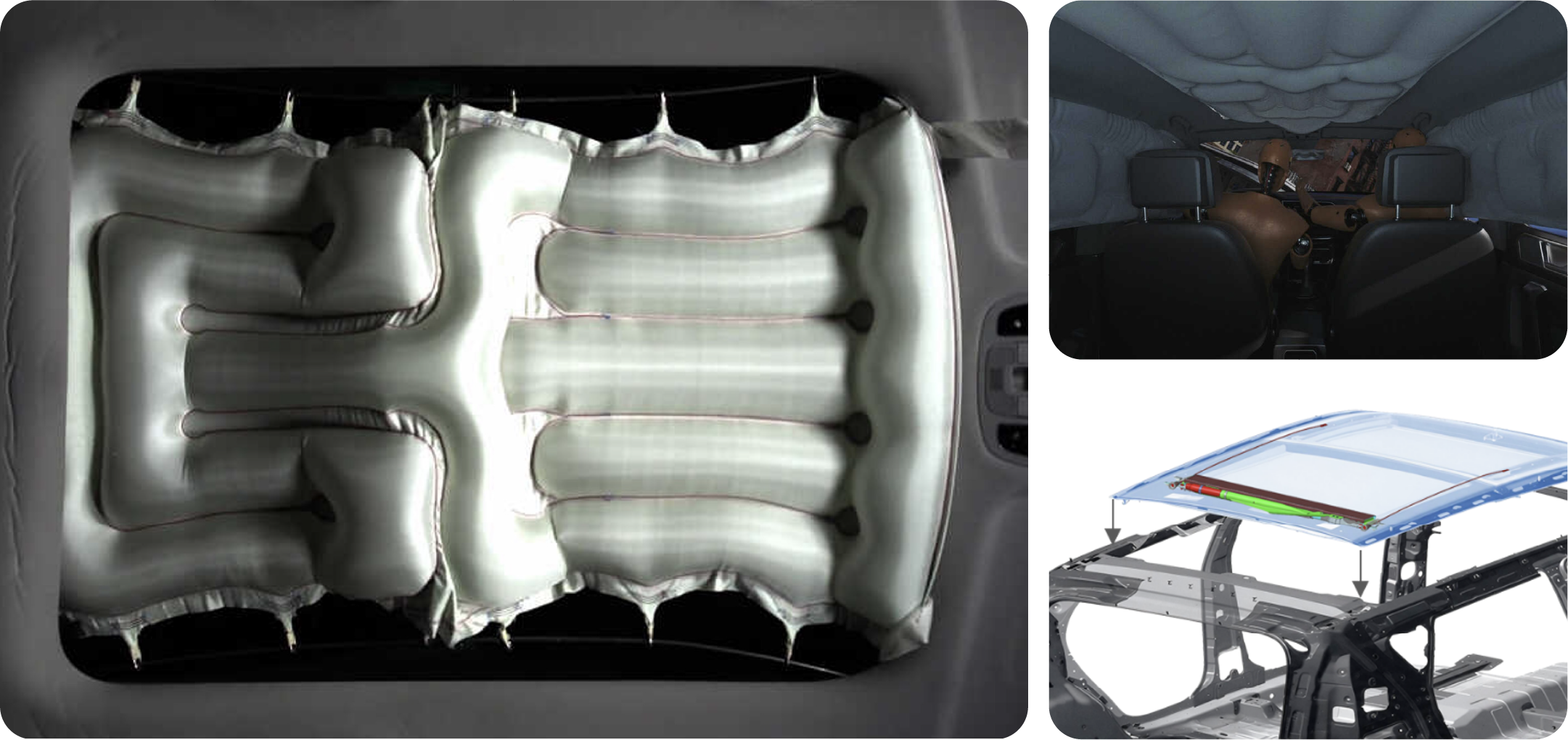
The first product is MOBIS's roof airbag, the first of its kind in the world to enter mass production. Developed to enhance occupant protection in the event of a vehicle rollover, the roof airbag helps minimize occupant ejection and effectively protects occupants from impact. As vehicle safety standards continue to become more stringent across global markets, the roof airbag is gaining attention as a solution that can proactively address future safety regulations. MOBIS became the first company in the world to begin mass production of the roof airbag in September, demonstrating its distinctive development capabilities and technological competitiveness.
Next-Generation Battery Integration Technologies: CTP & CTV
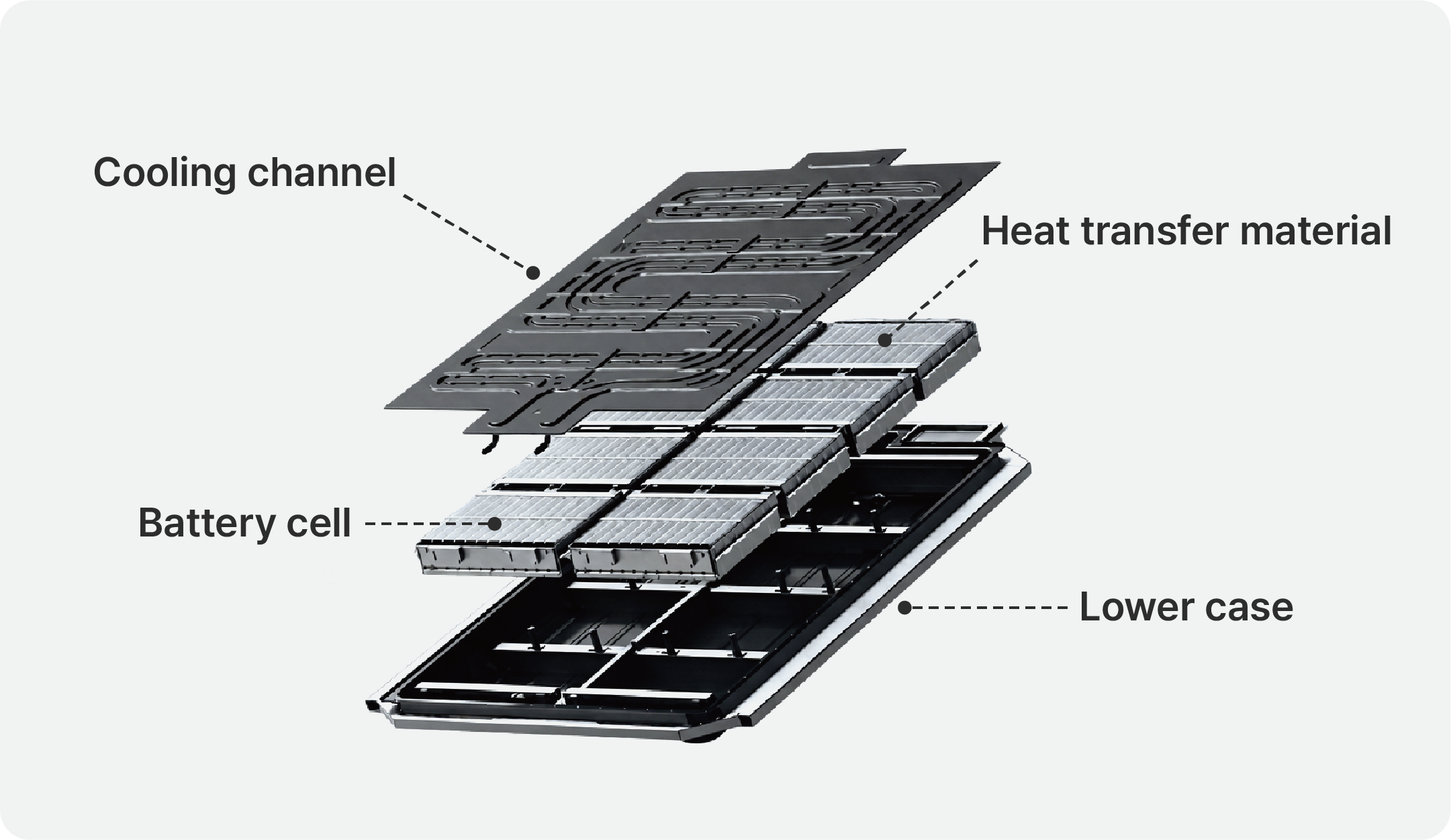
Competitiveness in electric vehicles begins with battery technology. MOBIS is developing Cell-to-Pack (CTP) and Cell-to-Vehicle (CTV) technologies that maximize performance and efficiency through innovations in battery system architecture. In particular, CTV technology, which directly integrates the battery with the vehicle structure, is gaining attention as a next-generation EV solution that can extend driving range and reduce costs by up to 30%. MOBIS is developing CTV technologies for both monocoque and body-on-frame architectures, focusing on more tightly integrating the battery system to maximize energy efficiency and cost competitiveness.
MOBIS's CTP technology is also evolving from the conventional small-block approach to a big-block (stack) structure, further increasing battery packing density. MOBIS has also built differentiated technological capabilities that accommodate diverse manufacturing processes, including 'Stack First' and 'Cell Insert First', as well as three cell form factors and both NCM and LFP battery cells, further strengthening the competitiveness of its next-generation battery solutions. By minimizing the number of components and maximizing the use of battery space, these CTP and CTV technologies are becoming key technologies for future electrification, delivering both higher energy density and reduced weight.
Next-Generation HMI for Smarter Mobility

Third, we introduce the 3D AR HUD and Slidable Display, which deliver a new user experience for the future of mobility. The 3D AR HUD is a next-generation HMI solution that displays three-dimensional information overlaid on the real-world view, making information more immersive and intuitive for the driver. It is also based on a platform that has completed the advanced development stage, helping customers improve development efficiency. The Slidable Display combines Flexible OLED with actuation technology to allow the screen size to expand as needed and is scheduled to enter full-scale mass production this December. Together, the two technologies make interactions between the driver and vehicle more intuitive and immersive, presenting a next-generation user experience for the future of mobility.
The Future of Braking, Powered by Electronics
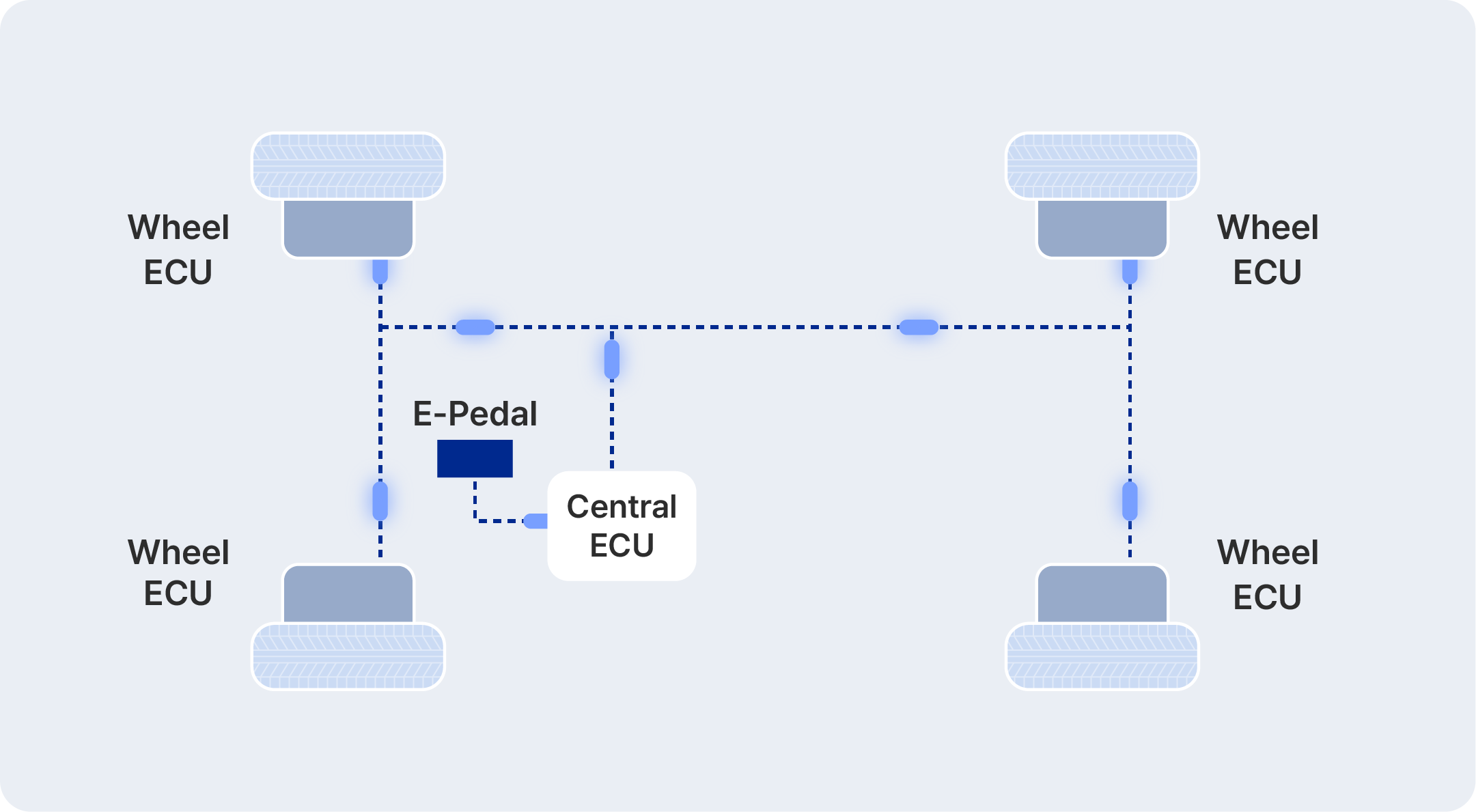
The final product is the EMB (Electro-Mechanical Brake), a next-generation electronic braking system. EMB integrates a wheel ECU with an actuator and controls braking entirely through electrical signals, enabling more precise and responsive braking than conventional hydraulic braking systems. Improved system efficiency can also improve EV efficiency by approximately 3%, contributing to extended driving range. MOBIS has validated the technology's reliability through advanced development and vehicle-level validation, providing customers with a proven solution that can minimize development risks.
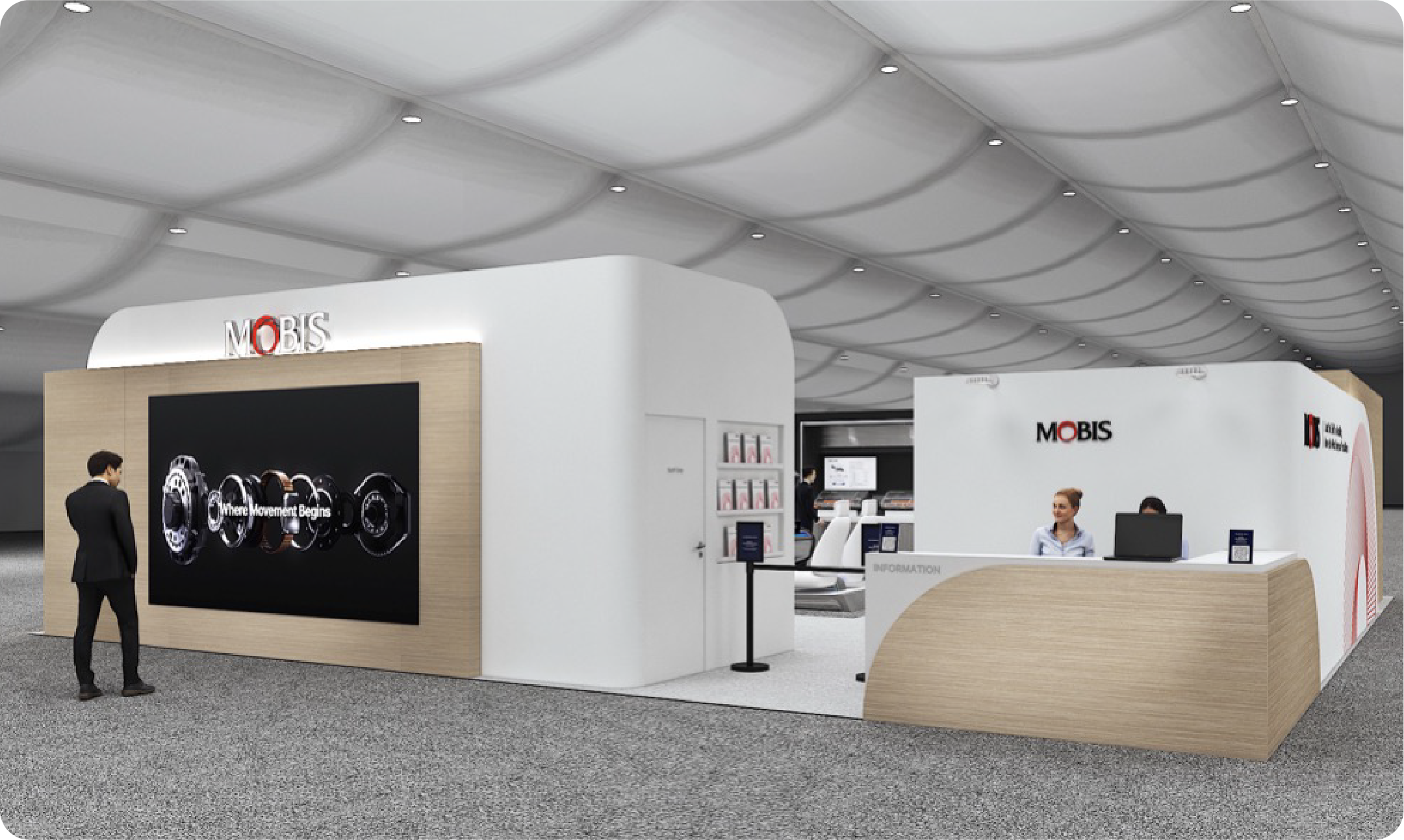
The future mobility technologies featured in this newsletter will be on display at IZB 2026, taking place in Wolfsburg, Germany, from October 27 to 29. At the exhibition, MOBIS will showcase innovative technologies in electrification, safety, chassis, and HMI while sharing its vision for future mobility with European customers.
#IZB2026